Packaging Innovations & Empack 2026 has unveiled its full conference agenda, bringing together more than 100 industry speakers from over 70 global brands to explore the ideas, innovations and challenges shaping the future of packaging.
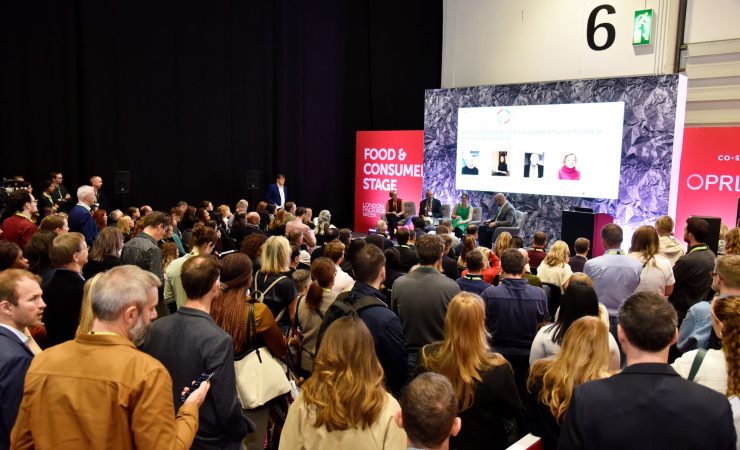
Taking place on 11–12 February 2026 at Birmingham’s NEC, the event will feature four dedicated conference stages – Design & Innovation, Supply Chain, Circular Economy and Discovery Theatre – covering everything from sustainability and circularity to automation, AI, regulation and future talent.
Across the two days, attendees can expect insight from leading brands including Diageo, Nestlé, Unilever, Amazon and Ocado Retail, alongside policymakers, academics and sustainability organisations. The programme is designed to reflect the full packaging value chain, connecting creative design with manufacturing, logistics and end-of-life solutions.
“This year’s agenda is about sparking curiosity and practical ideas,” said Casey McHugh, conference and community manager at organiser Easyfairs. “Every stage focuses on the real trends and pressures facing the industry, while showcasing collaboration and innovation at every level.”
Day one highlights include a flagship debate on whether sustainability is limiting packaging design innovation, alongside sessions exploring the growing role of AI in creative development and premium packaging. Students will also take centre stage, presenting new ideas for on-the-go food packaging developed in collaboration with major food and delivery brands.
The Supply Chain Stage will focus on skills, automation and resilience, with discussions on inspiring the next generation of packaging engineers, the future of robotics in factories, and a market outlook on materials and technology. Meanwhile, the Circular Economy Stage will tackle major policy developments, including Extended Producer Responsibility and recyclability by design.
The first day concludes with “The Big Debate”, asking whether artificial intelligence could do more to improve packaging waste management than government reform.
Day two’s programme continues with an emphasis on inclusive and consumer-led design, creativity under regulatory pressure, and how brands can better connect with new generations. Sessions will also examine how businesses can balance compliance, cost and performance, alongside real-world applications of AI in recycling and waste sorting.
Circular economy discussions on day two will look at the future of sustainable materials, lessons from international deposit return schemes, and the UK’s emerging reusable packaging systems, with contributions from industry bodies and sustainability leaders.